Tag: Chronic pain
-
5 Things People Get Wrong About Chronic Pain
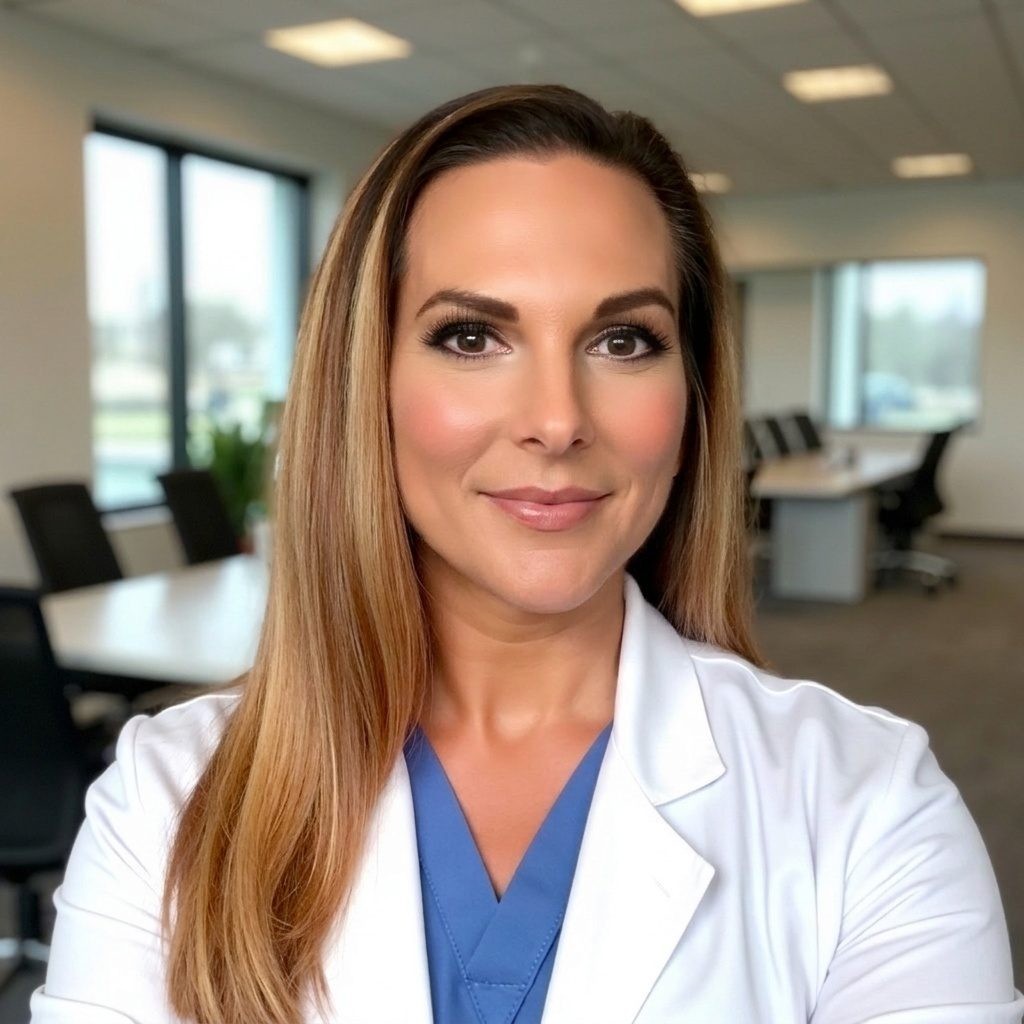
September is Pain Awareness Month, and if there’s one thing I’ve learned in 27+ years in healthcare — nearly 20 of them as a licensed RN — it’s that most people living with chronic pain have been given a lot of bad information along the way. Not because anyone meant to mislead them, but because pain is complicated, and a lot of the common wisdom around it just hasn’t caught up.
I’ve heard these myths from patients. I’ve believed a few of them myself, at different points. So this month, I want to clear up five of the ones I hear most often — because what you believe about your pain shapes what you’re willing to try to feel better.Myth #1: “Chronic pain is just a normal part of getting older.”
It’s true that pain becomes more common as we age, but “common” doesn’t mean “something you’re supposed to accept.” Chronic pain — pain that lasts longer than three months — is a medical condition with real, identifiable causes, whether that’s nerve damage, joint degeneration, a past injury that never fully resolved, or a nervous system that’s stuck sending pain signals long after the original problem healed. Age can be a contributing factor, but it’s rarely the whole story, and it’s almost never a reason to stop looking for answers.
Myth #2: “If medication hasn’t worked, there’s nothing left to try.”
This is one of the most discouraging myths out there, and it’s simply not true. Medication is one tool for managing pain — not the only one. There are entire categories of treatment that work through completely different mechanisms, including drug-free approaches that target the nervous system directly.
This is actually where my own practice comes in. I specialize in something called Neurofunctional Pain Management (NFPM), which uses two non-invasive technologies: electroanalgesia, which uses high-frequency electrical currents to interrupt pain signals before they reach the brain, and neuromodulation, which uses targeted stimulation to help calm an overactive nervous system. Neither involves medication, and neither is a replacement for the care you’re already receiving — they’re additional options worth knowing about if what you’ve tried so far hasn’t gotten you where you want to be.Myth #3: “Managing pain always means taking more medication.”
Medication has an important place in pain care, and I’d never tell someone to stop something their provider has prescribed. But “managing pain” and “medicating pain” aren’t the same thing. Managing pain can also mean addressing how signals travel through the nervous system, improving mobility so the body moves the way it’s designed to, and building daily habits that reduce flare-ups. A well-rounded approach usually includes more than one piece.
Myth #4: “Surgery is my only remaining option.”
For some conditions, surgery is absolutely the right call — this isn’t an anti-surgery message. But I’ve sat with a lot of patients who were told surgery was their last resort when they hadn’t yet tried other paths. Before agreeing to a major procedure, it’s worth asking your provider what non-surgical options exist, what surgery will and won’t fix, and what recovery actually looks like. A drug-free, nervous-system-focused option like NFPM is often worth exploring as part of that conversation — not instead of good medical advice, but alongside it.
Myth #5: “Getting real help for pain means more appointments, more waiting rooms, and more exhaustion.”
This one is personal for me. So many of the people who could benefit most from consistent pain care are the ones who struggle hardest to get to it — because of mobility limits, transportation, or the sheer exhaustion that comes with living in pain every day. That’s the exact problem Watercrest was built to solve. Care comes to you, in your home, so getting help doesn’t require the very thing pain makes difficult.
The takeaway
Chronic pain is real, it’s common, and it deserves more than “learn to live with it.” If any of these myths sound familiar, it might be worth asking your provider one new question at your next visit — or reaching out to explore whether a drug-free approach like NFPM has a place in your care.
Which of these myths have you heard before? I’d love to hear from you — reply in the comments or reach out through the contact page.
Watercrest Integrative Pain Solutions provides mobile, in-home, drug-free pain care for adults in the Greater Houston area. This content is for educational purposes only and is not a substitute for medical advice — always talk with your healthcare provider about your specific situation.